

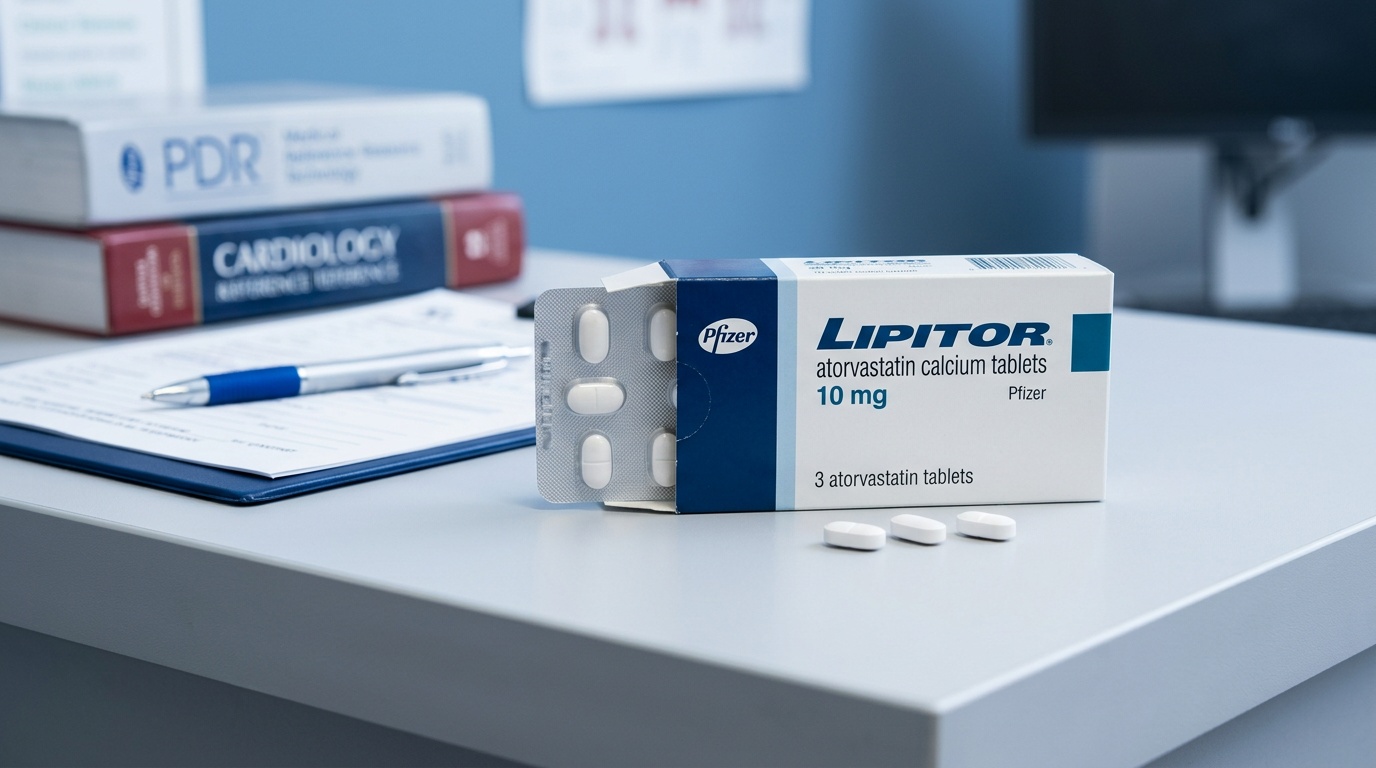
Lipitor is the brand name for atorvastatin, a statin used to lower LDL cholesterol and support cardiovascular risk reduction in appropriate patients. It is supplied as oral tablets and is taken once daily, with the dose selected according to lipid levels, treatment goals, and clinical response.
Review the current atorvastatin offer, listed price, and pharmacy terms in one place.
Use the product page to confirm strength, access details, and any prescription handling requirements before checkout.
For anyone looking to buy generic Lipitor online, the most useful details are not just access but how atorvastatin is used, when dose changes matter, and which safety issues require medical review. Because this medicine can affect the liver and muscles and may interact with other drugs, purchase decisions should stay tied to proper prescribing information and clinician oversight.
What atorvastatin is used for
Atorvastatin is an HMG-CoA reductase inhibitor used in the management of dyslipidemia and in cardiovascular risk reduction when lipid lowering is indicated. It is commonly used when diet and lifestyle measures alone are not enough to bring LDL cholesterol to target or when overall cardiovascular risk justifies drug therapy.
Lipitor and its generic equivalents contain the same active ingredient, atorvastatin. On a product page built around the keyword buy generic Lipitor online, the practical point is that product selection should stay focused on the stated strength, tablet form, and the prescriber’s intended treatment plan rather than price language alone.
How Lipitor is taken and how dosing is adjusted
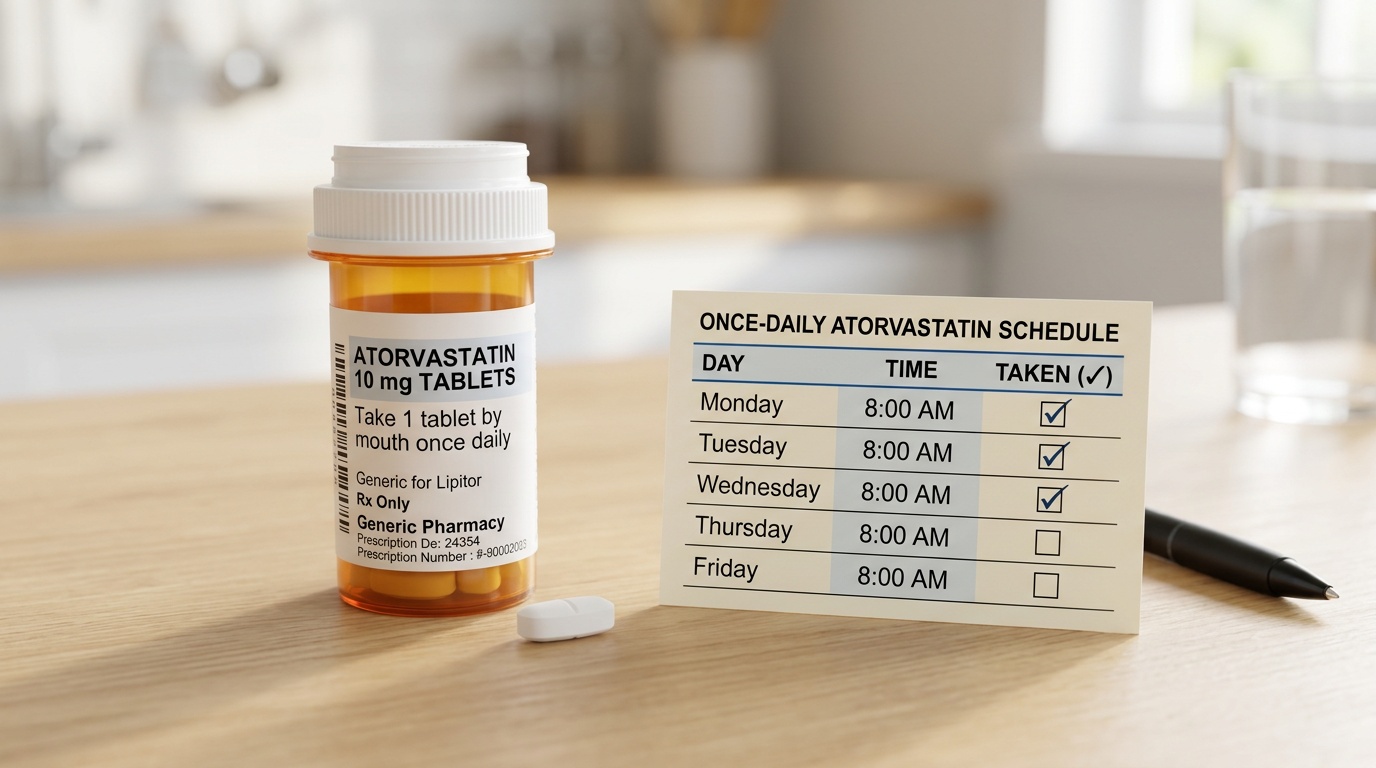
Lipitor is taken by mouth once daily, with or without food, ideally at the same time each day. Treatment duration is determined by the prescribing clinician and is often long term because cholesterol management and cardiovascular prevention usually require ongoing therapy.
In adults, the usual starting dose is 10 mg to 20 mg once daily. Patients who need a larger LDL reduction may start at 40 mg once daily, while maintenance dosing generally ranges from 10 mg to 80 mg once daily. The maximum adult dose is 80 mg per day.
For children and adolescents aged 10 to 17 years with heterozygous familial hypercholesterolemia, the usual starting dose is 10 mg once daily and the maximum recommended dose is 20 mg once daily. Dose changes are typically made every 2 to 4 weeks based on lipid profile results and treatment response.
- Adult initial dose: 10–20 mg once daily
- Higher initial dose when substantial LDL reduction is needed: 40 mg once daily
- Adult maintenance range: 10–80 mg once daily
- Maximum adult dose: 80 mg daily
- Pediatric heterozygous familial hypercholesterolemia age 10–17: start 10 mg daily, maximum 20 mg daily
What to check before you buy generic Lipitor online
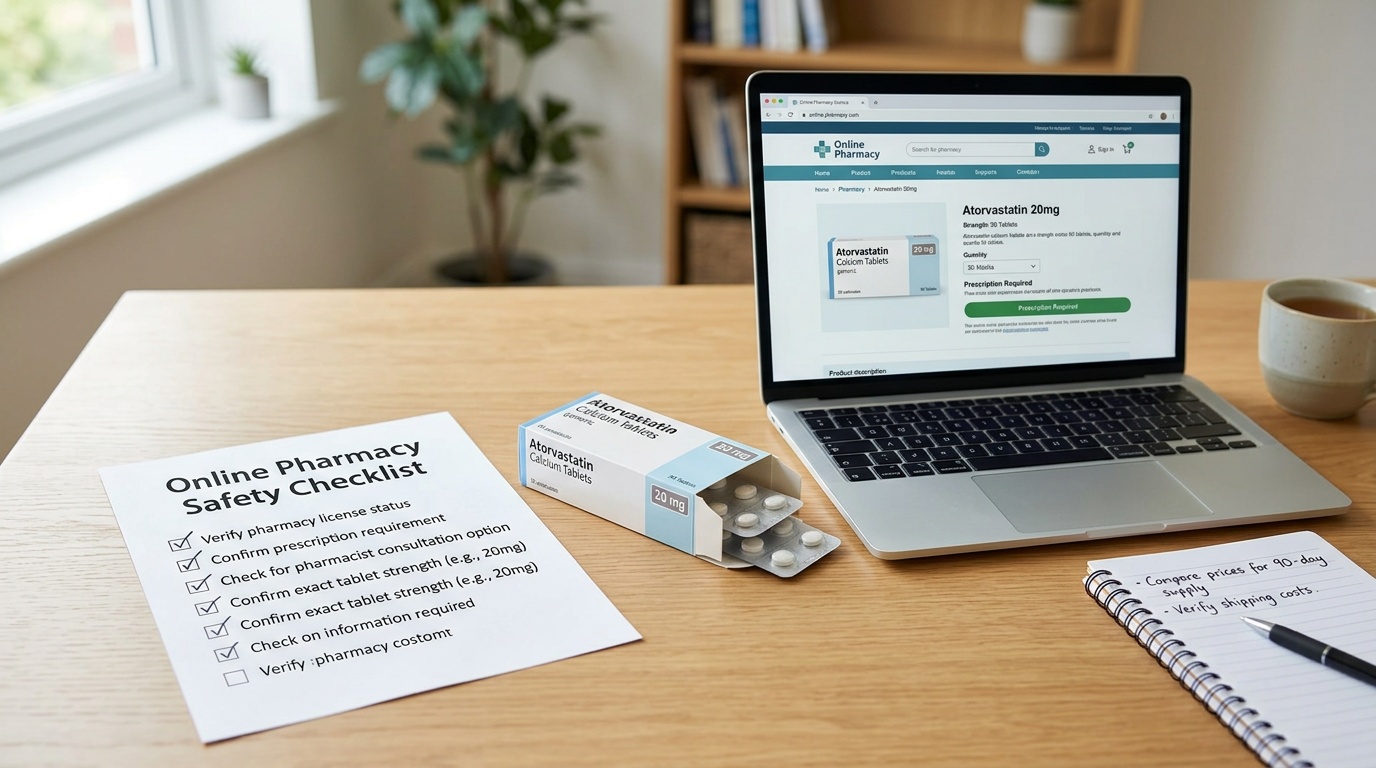
When reviewing an online offer for atorvastatin, confirm the exact tablet strength, pack details, and whether the listing clearly identifies atorvastatin as the active ingredient. A careful product page should also make room for prescribing information, patient information, or pharmacy contact details rather than relying only on promotional claims.
Commercial details can vary by seller, so the safest approach is to verify the listed price, checkout requirements, and delivery terms directly on the offer page. If a prescription review is required in your location, that step should be handled before dispensing.
Online convenience does not replace medical review. Before starting therapy, a clinician should assess cholesterol goals, liver history, current medicines, and whether a statin is appropriate for you.
- Match the product name with atorvastatin as the active ingredient
- Check the tablet strength against the prescribed dose
- Review listed price and delivery terms on the offer page
- Look for prescription handling or pharmacist review requirements
- Avoid relying on vague claims instead of product labeling
Important interactions and who needs extra caution
Atorvastatin may require extra caution when used with strong CYP3A4 inhibitors or other medicines that can raise atorvastatin exposure. In those situations, dose reduction or closer monitoring may be necessary. Patients should disclose all prescription medicines, over-the-counter products, and supplements before starting or changing treatment.
No dose adjustment is generally required in renal impairment. Hepatic safety is different: atorvastatin is contraindicated in active liver disease and in persistent elevations of transaminases of unknown cause.
Because statins can be associated with muscle-related adverse effects, new muscle pain, weakness, or cramps should be reviewed, especially when symptoms are severe or when interacting medicines are involved.
- Tell the prescriber about strong CYP3A4 inhibitors and all current medicines
- Do not use in active liver disease
- Persistent unexplained liver enzyme elevations require medical review
- Seek prompt advice for severe muscle symptoms or dark urine
Side effects, pregnancy warning, and breastfeeding warning
Common adverse effects reported with atorvastatin include nausea, diarrhea, constipation, abdominal pain, flatulence, headache, insomnia, fatigue, weakness, myalgia, and arthralgia. Temporary increases in liver transaminases can also occur. Many reactions are mild to moderate, but persistent or worsening symptoms should be discussed with a clinician rather than managed by stopping treatment independently.
Rare but serious reactions include myopathy, rhabdomyolysis, hepatitis, pancreatitis, and severe allergic reactions. Urgent medical attention is needed for severe muscle pain, marked weakness, facial swelling, rash with swelling, yellowing of the skin or eyes, or dark urine.
Pregnancy warning: atorvastatin should not be used during pregnancy because treatment affecting cholesterol pathways may pose fetal harm. If pregnancy occurs during treatment, the medicine should be reviewed promptly with the prescriber.
Breastfeeding warning: atorvastatin is not recommended during lactation or breastfeeding. Patients who are nursing or planning to breastfeed should discuss alternative treatment or feeding plans with their clinician.
- Common: digestive upset, headache, insomnia, fatigue, muscle or joint pain
- Serious warning signs: severe muscle pain, weakness, dark urine, jaundice, facial swelling
- Do not stop therapy on your own without medical advice
- Pregnancy requires prompt medical review
- Breastfeeding or lactation requires clinician guidance
Practical questions patients often have
A few issues come up repeatedly with atorvastatin use, especially around muscle symptoms, liver monitoring, and missed or extra doses. These points are best handled conservatively and with prescriber input when symptoms are not mild.
- Muscle pain can occur; severe pain or weakness should be reported promptly.
- Liver enzyme elevations are possible, so monitoring may be recommended during treatment.
- If side effects persist, discuss dose adjustment or an alternative with the prescriber rather than stopping suddenly.
- If a double dose is taken and symptoms develop, seek medical advice.
- If a child accidentally takes the medicine, urgent medical assessment is appropriate.